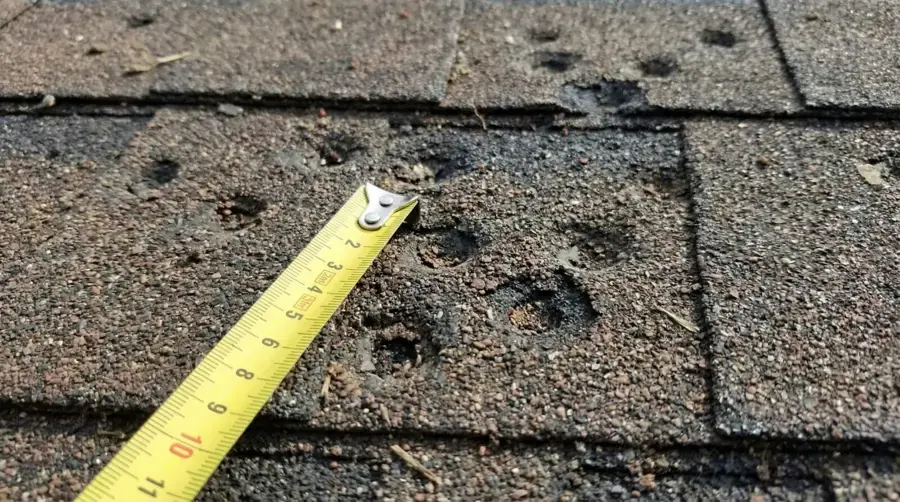
Wind damage and water damage are two separate losses. When a storm opens a roof or a wall, the next rain falls inside the house, and the second loss begins.
Key takeaways
- The National Weather Service Fort Worth survey rated a small satellite tornado just north of Celina, in unincorporated Collin County, as a high end EF-3 with estimated peak winds of 165 mph.
- A longer tornado from northwest of Celina to south of Weston was rated EF-1, with estimated peak winds of 95 mph.
- A covered roof comes first, because every rain after the storm adds water to insulation and ceilings.
- Wet insulation and sagging ceiling drywall are removed, and the framing is dried until readings reach the dry goal.
- Dated photos of the damage and of every temporary repair belong in the claim file.
What the survey found near Celina
On May 25, 2024, tornadoes struck the Celina area, and Collin County issued a disaster declaration.
The National Weather Service Fort Worth survey rated a small satellite tornado just north of Celina, in unincorporated Collin County, as a high end EF-3 with estimated peak winds of 165 mph. It destroyed roofs and walls on at least two homes.
A longer tornado that tracked from northwest of Celina to south of Weston was rated EF-1, with estimated peak winds of 95 mph. It mostly damaged trees, along with some metal buildings and telephone poles.
A tornado is the extreme case. Damaging winds from an ordinary thunderstorm can lift shingles and open a roof in the same way.
For a homeowner the survey ratings matter less than what the wind did to one roof. A few lifted shingles and a torn section of decking let in the same rain.
How rain gets in once a storm opens a roof
Missing shingles, torn decking and a broken wall seam give rain a path into the attic and the rooms below. The water takes the same route each time, one layer after another.
The attic hides the problem, because insulation can soak for days before a stain reaches the ceiling.
- Insulation soaks first, turns heavy and holds water against the ceiling.
- Ceiling drywall softens, stains and can sag or fall.
- Wall cavities carry water down the framing into drywall and baseboards.
- Carpet, wood floors and cabinets below take the drips.
- Attic framing and decking stay damp long after the rain stops.
Temporary repairs that protect the house
A temporary cover limits the loss while permanent repairs are arranged. It is not a roof repair, and it does not dry anything that is already wet.
- A tarp secured over the opening and past the ridge, so water cannot run under it.
- Boards over broken windows and torn wall openings.
- Wet insulation lifted out of the attic when it is safe to enter.
- Receipts and photos of the work, kept for the claim.
The first day after the wind
After a storm like this the order of work is safety first, a covered roof second and drying third.
- Stay out of any room with a sagging ceiling or loose wiring.
- Cover the opening with a tarp or boards as soon as it is safe to work.
- Switch off power to wet areas from a dry spot if a ceiling is dripping near lights or outlets.
- Photograph the roof from the ground, the ceilings and the insulation, with the date visible.
- Move furniture and belongings away from drips.
- Call the restoration team ahead of the next forecast rain.
If the ceiling is already wet
A ceiling that is stained but firm can often be dried in place. A ceiling that bulges, drips steadily or feels soft should be left alone until the drying team checks it, because it can fall without warning.
If the roof is not yet covered
Rain forecasts decide the order of work. A tarp comes before drying equipment, because air movers cannot keep up with a roof that is still open.
Drying once the roof is covered
Roof leak water damage work starts with a temporary cover and ends with dry framing. Wet insulation is bagged and removed, because it cannot dry fast enough in place.
Ceiling leak water damage is handled by cutting out drywall that sags or stays soft. Air movers and dehumidifiers then dry the joist bays and the rooms below until the readings reach the dry goal.
Damp materials left in place can start growing mold within 24 to 48 hours, so wet insulation and soft drywall are dealt with quickly.
The drying team compares readings in the wet areas with a dry reference taken from an unaffected part of the house. Equipment stays until the two sit within 2 to 4 points of each other.
Attic and ceilings
Insulation is removed and the attic framing is checked with a moisture meter. Ceiling drywall that is soft is cut out in clean sections so the joist bays can dry.
Walls and floors
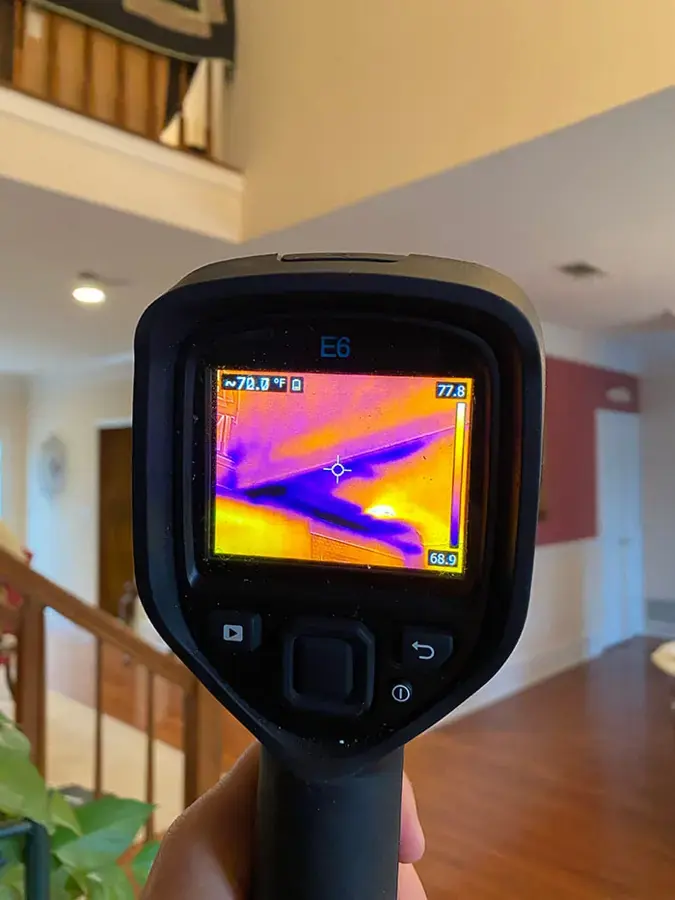
Water that ran down a wall is traced with thermal imaging. Baseboards come off, wall bottoms are opened if readings stay high, and wet carpet or wood is extracted and dried.
Keeping the wind loss and the water loss apart
A policy can treat wind damage to a roof differently from water damage to the rooms below. Keeping a record for each loss makes both easier to show.
Drying after a roof opening typically runs $900 to $2,200 for a small leak in one room, $2,200 to $6,500 when the attic and ceiling are involved, and more after a major storm opening. The same steps apply across nearby Prosper, where roof leak water damage restoration follows the same order of cover, remove and dry.
Adjusters often ask when the roof was covered, which rains fell in between and what was done each day. A short daily log answers those questions in a few words.
- Photos of the roof damage taken from the ground before repairs.
- The receipt for the tarp or board up.
- Daily moisture readings from the drying team.
- Notes on which rains fell after the storm and before the roof was covered.
Celina's storm season in plain terms
The City of Celina's severe weather page lists thunderstorms, tornadoes, large hail, damaging winds and flash flooding as North Texas threats. It also says the City does not operate public storm shelters.
A household plan for where to go and what to protect matters before a warning, not after one. Residents who want help with a wet house can start at the Celina water damage restoration page.
Questions
Were the May 2024 tornadoes inside Celina?
The survey placed the high end EF-3 just north of Celina, in unincorporated Collin County. The longer EF-1 tracked from northwest of Celina to south of Weston.
How soon should a roof opening be covered?
As soon as it is safe, because each rain after the storm adds water to the attic and the ceilings below.
Can a wet ceiling be saved?
Firm drywall with only a stain can often be dried in place. Drywall that sags or stays soft is cut out.
Is wind damage and water damage one claim?
That depends on the policy. Some policies treat wind damage to the roof and water damage to the rooms below differently, so separate records help.
Does mold grow after a roof leak?
Damp materials left in place can start growing mold within 24 to 48 hours, which is why wet insulation and soft drywall are dealt with quickly.
How long does drying take after a roof opening?
It depends on how much got wet. A small leak in one room often takes three to five days of readings, and a larger storm opening takes longer.