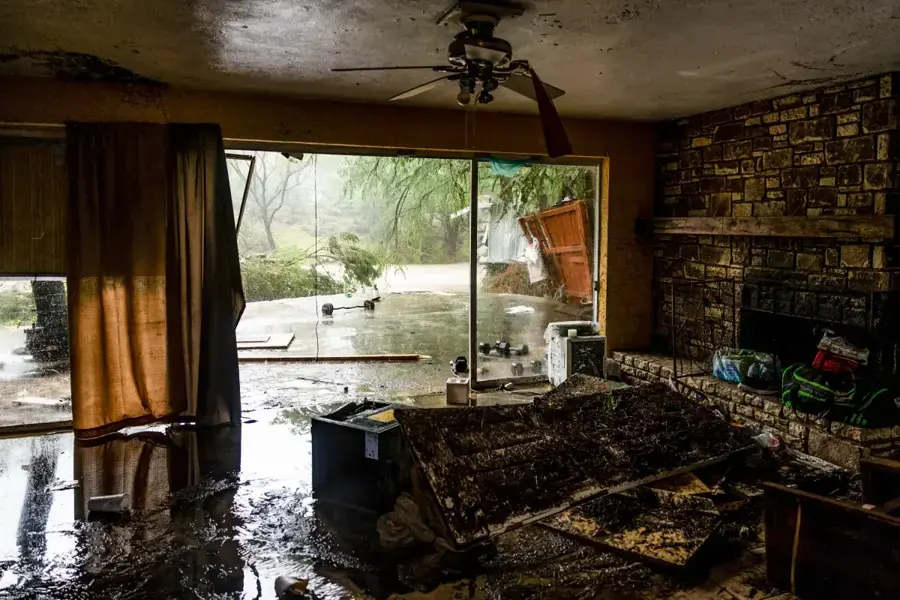
Lewisville Lake borders Little Elm on its southern and western sides, and the streams that cross town run toward it. Heavy rain upstream can mean high water in Little Elm even after the sky has cleared.
Key takeaways
- The Town's 2013 hazard plan puts Little Elm at the downstream end of every stream through town, so growth upstream in Frisco, Prosper, Celina and unincorporated Denton County can change how flooding plays out here.
- Little Elm Park and its beach had still not drained on June 30, 2015, and the parks director tied the lake flooding to water released upstream at Lake Ray Roberts.
- Creek and lake water counts as contaminated flood water, so carpet, pad and soaked drywall are removed rather than dried.
- A standard homeowners policy leaves out flood losses, the Town says, and a separate flood policy can be bought for any property, in the floodplain or not.
- Emergency notices come through Little Elm Alerts, and the Town also has outdoor warning sirens.
Why Little Elm sees lake and creek water
The northern and eastern shores of Lewisville Lake hold Little Elm. Cottonwood Branch, Panther Creek, Doe Branch, Salt Branch and Running Branch all run through town, and most of them flow northeast to southwest toward the lake.
The Town's 2013 hazard plan describes Little Elm as the downstream end of every stream that runs through it. That makes growth upstream in Frisco, Prosper, Celina and unincorporated Denton County a factor in local flooding.
Rain runoff moves through natural channels into Lewisville Lake. The same plan says the Town designs its drainage systems for the 100 year flood.
Slow lake water
When the lake rises, it rises slowly and can stay high for days. Low yards, garages and ground floors take the water, and it leaves slowly too.
Fast creek water
A creek can leave its banks after a short burst of rain. The water rises quickly, carries more mud and debris, and drops again faster than lake water.
2015: when the lake stayed high
Record rainfall in May and a tropical storm about two weeks earlier set up the flooding that still covered Little Elm Park and its beach on June 30, 2015.
The Town closed the beach and cut back its Fourth of July events. The parks director explained that the lake flooding depends on water let out upstream at Lake Ray Roberts.
A lake does not follow the local sky alone. Water released or carried from upstream can keep the lake high long after the rain has stopped.
Witt Road and Lobo Lane: past alerts
The Town's alerts and hazard records show where low roads have gone under before. They describe past events, not a map of today's flood risk.
The crossing on Witt Road
A 2007 hazard analysis by the Town named the Witt Road low water crossing among the most dangerous places in a flash flood. NOAA's storm database records Witt Road flooded on June 17, 2007.
The Town's alerts closed Witt Road for high water on May 2 and May 20, 2011, on January 25, 2012 and again on March 20, 2012.
Lobo Lane and Shell Beach
On June 21, 2011, a Town alert reported flooding on Lobo Lane in front of RTI. Shell Beach residents were directed to the emergency access gate until the water drained.
Why flood water is not roof leak water
Creek and lake water carries mud, bacteria and debris, which makes it contaminated flood water. Porous materials that soaked in it, such as carpet, pad, insulation and the lower part of drywall, are removed.
Framing and hard surfaces are scrubbed and treated, then dried. Flood cleanup in Little Elm follows that order: remove, clean, then dry.
Mud and silt are shoveled and washed out before drying starts, because dried silt leaves a film and a smell behind. Damp materials can start growing mold within 24 to 48 hours, so removal is not left for later.
Flood cleanup typically runs $3,000 to $5,500 for a garage or one room and $5,500 to $12,000 for several rooms. A whole ground floor costs more.
- Standing water is pumped or extracted first so it stops spreading.
- Carpet, pad and soaked insulation are bagged and removed.
- Drywall is cut above the wet mark.
- Framing and subfloor are cleaned and treated.
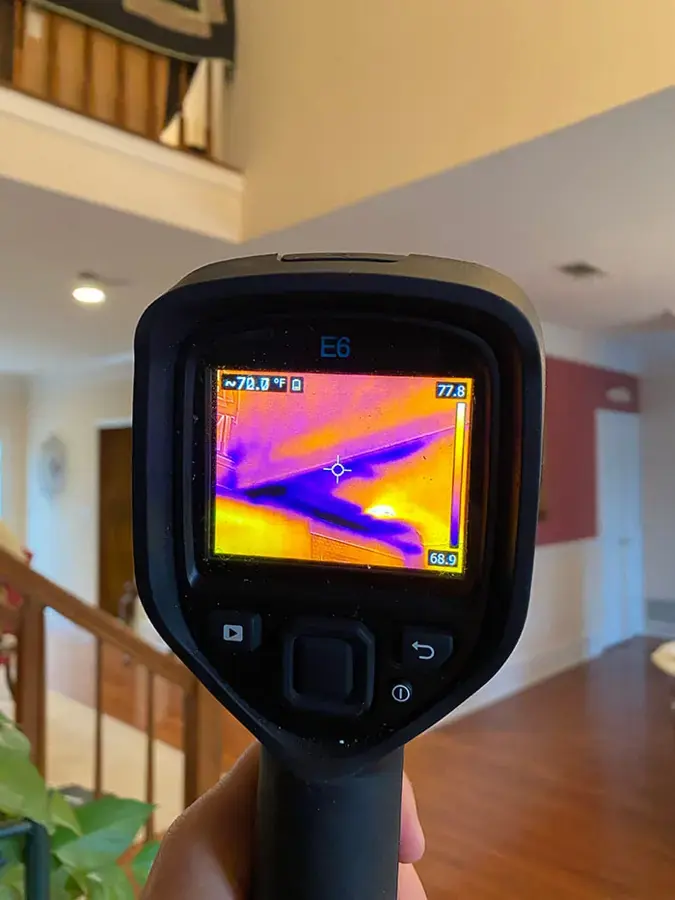
- Drying equipment stays in place until the readings reach the dry goal.
The first day after water enters a home
The goal of the first day is to keep people safe and keep the water from soaking further into the house.
- Stay out of standing water until power to the area is shut off.
- Photograph the high water mark on the walls and the damage before moving anything.
- Move belongings that are safe to lift to higher ground.
- Keep children and pets out of flood water.
- Throw out food and medicines that touched flood water.
- Do not drive through water over a road, because it can hide washouts.
- Call a restoration team for water extraction as soon as it is safe to start.
Insurance and the flood map
Little Elm points out that a standard homeowners policy does not pay for flood losses. A separate flood policy can be bought for any property, inside the floodplain or outside it.
The FEMA flood map for Denton County was revised on April 18, 2011. Its base flood elevations are the 100 year flood heights in streams and in the lake, and the Town's FEMA flood map revision page names Sunset Point and Eldorado Estates West.
Harts Branch has a Town trail and a FEMA map revision covering Sunset Point and Eldorado Estates West, and Panther Creek has a map revision covering Sunset Point.
The Town's code restricts building in the 100 year and 500 year floodplains and allows no new structures in undisturbed 100 year floodplain.
Alerts and warnings
Little Elm Alerts carries the Town's emergency notices, and the Town has an outdoor warning siren system as well. For help with a wet house afterward, the Little Elm water damage restoration page lists the services.
- Watch Little Elm Alerts for road closures and high water notices.
- Avoid low water crossings such as Witt Road when water is rising.
- Keep valuables and electronics off the floor in rooms that have taken water before.
- Check which rooms and belongings sit lowest before the next heavy rain.
Questions
Does Lewisville Lake flood homes in Little Elm?
Both high lake levels and creek overflow can push water toward low ground. The Town's 2013 plan describes Little Elm as the downstream end of every stream through town.
Is flood water from a creek dangerous?
It can carry bacteria, mud and debris, so it is treated as contaminated and porous materials that soaked in it are removed.
Does homeowners insurance cover flooding in Little Elm?
No. The Town says a standard homeowners policy leaves out flood losses, and flood coverage is a separate purchase available to any property.
How does the Town send emergency notices?
Little Elm Alerts carries them, and the Town also operates outdoor warning sirens.
How long does a flooded room take to dry?
It depends on how much water came in and what it soaked. Drying runs until the readings reach the dry goal, not for a fixed number of days.
Are the Town's old road alerts a flood map?
No. They describe past events on roads such as Witt Road and Lobo Lane. They show how quickly low roads can close, not where water will go next.