Structural Drying and Dehumidification in Allen, TX
Wet framing and subfloors keep damaging a house long after the water is gone. The Allen drying team uses controlled air and dehumidification to finish the job and prove it.
(888) 527-9134Call for Allen structural drying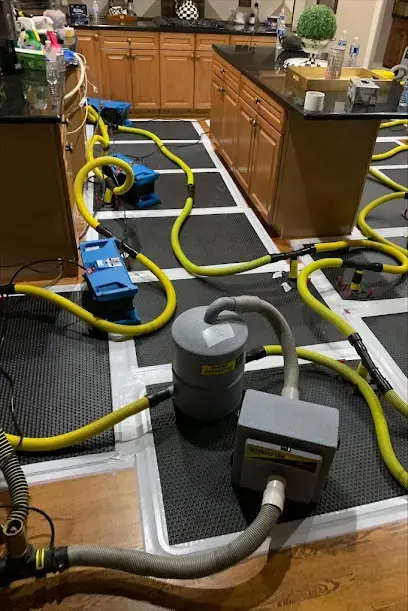
First steps for structural drying and dehumidification in Allen
Keep the area closed
Shut doors to the wet rooms so the dehumidifiers can work on a smaller volume of air.
Let the equipment run
Leave fans and dehumidifiers on, and do not move them or switch them off between visits.
Hold off on repairs
Wait to patch drywall, paint or lay flooring until readings show every material is dry.
Keep the daily log
Save the technician's notes and readings, since they show the insurer how the loss dried.
Structural drying is the long middle of a water loss. Extraction removes the visible water, but wood, drywall and concrete hold moisture that only controlled air and dehumidification can pull out. The Census ACS 2024 estimate puts the median Allen build year at 2004, yet the Allen 2045 Comprehensive Plan notes aging housing and high rates of homes for rent in single-family neighborhoods on the east side.
What does structural drying and dehumidification cost in Allen, TX?
Structural drying in Allen usually costs $1,000 to $2,500 for one or two rooms, $2,500 to $6,000 for several rooms and $6,000 and up when hardwood or slab needs longer drying.
One or two rooms
- Small, shallow loss
- Fans and one dehumidifier
- A few days of readings
Several rooms
- Walls and ceilings involved
- Extra dehumidifiers on site
- Psychrometric logs each day
Hardwood or slab
- Dense, slow-drying materials
- Desiccant units and mats
- Several extra days
Ranges are typical, not a quote: the water category, square footage, material class and how fast drying started move the number most. Run the water damage cost calculator for a closer range.
How structural drying and dehumidification is handled in Allen
The tech who does the walkthrough maps moisture before any equipment goes down, and the equipment stays until the readings say dry.
Classify the loss
Class and category are set from the first moisture map, which sizes the equipment.
Place the equipment
Air movers go along walls and under mats, and dehumidifiers go where air volume and humidity require.
Read every day
Temperature, humidity and moisture content are logged, and equipment is moved or removed as numbers fall.
Release when dry
Each material is compared with its dry reference, and the final record is handed to the owner and insurer.
What S500 asks the drying team to do
The IICRC S500 standard turns drying into a measured process, with numbers taken every day:
- Temperature and relative humidity inside the drying area
- Humidity outdoors, so the dehumidifiers are not working against the weather
- Moisture content of studs, drywall, subfloor and slab
- Equipment count and placement, adjusted as readings fall
- Dry reference readings from materials the water never touched
Those numbers go into a daily log. Equipment comes out only when wet materials match the reference, not when the surface feels dry.
A dry-looking floor can still hold water
24/7 dispatch for Allen, weekends and holidays included.
Why Allen homes of different ages dry differently
The same estimate counts 5,040 housing units built before 1980 and 4,750 built in 2020 or later, so Allen mixes homes of very different ages. Materials differ, but the method is the same: measure first, then match airflow and dehumidification to what is wet.
Moisture history also varies from house to house, which is why the first visit records baseline readings and notes anything that was already damaged before the new loss.
Dehumidifier types and when each is used
LGR dehumidifiers handle most losses by pulling water out of warm, humid air quickly. Desiccant units use a drying wheel instead of coils, so they keep working in cool rooms and are chosen for hardwood floors and the slab after a slab leak, plus other dense materials.
Air movers are aimed along walls and under drying mats so air sweeps the wet surface, and equipment is shifted as readings change. Water extraction before drying keeps the equipment count lower.
Structural drying and dehumidification across Allen and nearby towns
Drying equipment is set across ZIP codes 75002 and 75013, including Waterford Trails, Twin Creeks, Watters Crossing, Cypress Meadows, Allen Heights, Downtown Allen and homes near the Hedgcoxe Road and Angel Parkway corridors.
The same service nearby: structural drying and dehumidification in Prosper, McKinney, Frisco.
Related water damage services in Allen
Structural Drying and Dehumidification questions in Allen, TX
How long does structural drying take?
Most losses need equipment for three to five days, and thick materials such as hardwood, slab and plaster can take longer. Readings decide the end date.
Why are dehumidifiers running when the floor feels dry?
Surface feel is a poor test. Moisture in framing and subfloor keeps moving outward until readings match the dry reference.
Does the equipment make the house humid or hot?
Dehumidifiers add some heat and pull water out of the air, so a drying room feels warm and dry rather than humid.
What does the daily log include?
Indoor and outdoor temperature and humidity, moisture readings at marked spots and the equipment count, which the insurer can use as proof of drying.
Is hardwood always replaced after a leak?
No. Drying mats and desiccant units can save boards that have not cupped past recovery, and readings show early whether they will.
When can repairs start?
Once every wet material tests at its dry reference. Patching or painting sooner can trap moisture inside the wall.
Dry it to a number, not a guess
The Allen drying team sets the equipment, reads the moisture daily and removes it only when materials match their dry reference, with the log kept for the claim.
(888) 527-9134Reach the Allen drying team