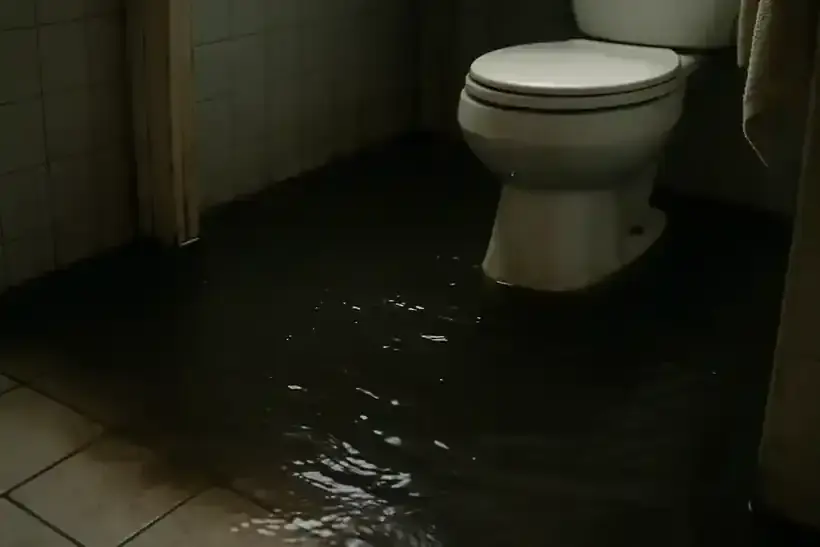
A sewage backup in Allen starts with a simple question: where is the blockage? The City of Allen and the property owner each maintain part of the sewer pipe, and the answer decides who acts first.
Key takeaways
- Property owners maintain the private sewer service pipe from the property boundary, including the cleanout, to the home.
- The City maintains the sewer pipe from the property boundary to the main.
- Any property built in Allen after 1997 is equipped with a sewer cleanout, according to the City.
- The City lists roots, foreign materials, grease, paper, garbage and household hazardous waste as common causes of sewer problems.
- Backed up sewage is the most serious class of water loss, so whatever it soaked is removed before any drying starts.
Who maintains which part of the sewer
The City of Allen splits responsibility for the sewer pipe at the edge of the property. Where the pipe is blocked decides who clears it.
The split matters in practice. A blockage in the City's pipe is a City matter, and a blockage on the owner's side is a plumber's job.
The owner's side
Property owners maintain the private sewer service pipe from the property boundary, including the cleanout, to the home.
The City's side
The City maintains the sewer pipe from the property boundary to the main sewer. Its Sewer Division uses nine crews to maintain the system and six lift stations.
The cleanout
Any property built in Allen after 1997 is equipped with a sewer cleanout, according to the City. A plumber uses the cleanout to clear the private pipe or to see where a blockage sits.
The cleanout is part of the owner's side, so knowing where it is saves time when a backup starts. Older homes may need a plumber to check whether one exists.
City smoke testing sometimes finds problems on the property owner's side of the sewer system, and owners are notified and advised to make repairs.
If water rises in the open cleanout, the blockage is usually farther down the pipe, which is useful information for the City.
- Find the cleanout before a problem starts.
- Keep it clear of landscaping and stored items.
- Tell the plumber about it when making the call.
What causes a backup
The City lists roots, foreign materials, grease, paper, garbage and household hazardous waste as common causes of sewer problems. Its Defend Your Drains campaign warns about wipes, cleaning supplies and grease.
Heavy rain can add to the load. Water from roof downspouts and illegal sump pump connections can overburden the sewer during storms, and illegal sump pump connections are reported to the Code Compliance Division.
Keeping fats, oils and grease out of drains is the simplest prevention. Trees planted near the private sewer pipe can send roots into it, and a plumber's camera shows whether roots are already inside.
- Wipes, even those sold as flushable, do not belong in a toilet.
- Grease, oil and fat from cooking harden inside pipes.
- Paper towels and similar paper clog drains.
- Cleaning supplies and household hazardous waste stay out of drains.
- Roots can enter a pipe, and a plumber can find them with a camera.
First steps when sewage comes up
The City runs a 24 hour water and sewer emergency number, and a plumber is the next call.
From the cleanout a plumber can inspect the private pipe with a camera, clear the blockage with a cable or a water jet and say whether the problem sits on the owner's side.
The same signs in several neighboring homes can point to a blockage farther along the pipe, which is worth mentioning when the City is called.
- Stop using water in the house.
- Keep children, pets and anyone who is ill away from the wet area.
- Photograph the water, the drains and the cleanout with the date visible.
- Call the City's emergency number and a plumber.
- Call the Allen water damage restoration team to begin extraction and containment.
Why backed up sewage gets Category 3 handling
Backed up sewage is the most serious class of water loss, and the IICRC S500 standard labels it Category 3. The label drives the whole job: crews wear protective gear, seal the area and treat every surface the water reached.
Drying alone cannot make absorbent materials safe once sewage has soaked them, so those materials leave the house. Sealed hard surfaces, such as tile and finished concrete, are scrubbed and disinfected instead.
Odors sink into absorbent materials fast. Mold can begin on damp materials after 24 to 48 hours, so removal is not postponed.
- Carpet and cushion go out in sealed bags.
- Drywall and insulation that wicked up the water are cut away.
- Baseboards and toe kicks come off for cleaning or replacement.
- Mattresses, stuffed items and boxed goods that soaked it up are thrown away.
What the cleanup looks like
Sewage backup cleanup in Allen works through four stages: pump, strip, sanitize and dry.
Pumping and sealing
Pumps and extractors take the standing water out first. Plastic sheeting then walls off the work area so the rest of the home stays clean.
Stripping and sanitizing
Contaminated absorbent materials are bagged and hauled out, and what remains is scrubbed and treated with an antimicrobial wash.
A HEPA air scrubber may run through the work to hold airborne particles down, and an odor treatment comes last.
Drying and sign off
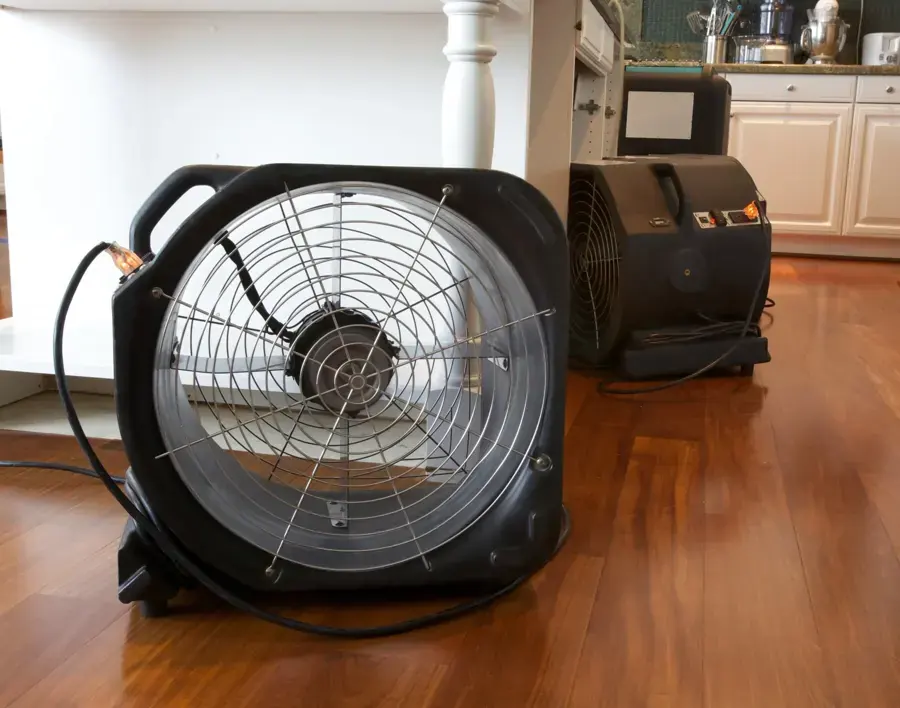
Air movers and dehumidifiers dry the structure, and structural drying in Allen continues until moisture readings match a dry reference.
The wider system and the claim file
The City contracts with the North Texas Municipal Water District to treat all wastewater generated in Allen, and the City says the treatment plant is near Lucas. Allen's storm sewer is separate, and the rain it carries from streets, sidewalks and buildings to local streams is not treated at that plant.
Insurance treatment of sewer backup varies. Some policies pay only when an added endorsement is in force, so the declarations page and the policy wording are worth reading before a loss happens.
Nearby Prosper follows the same Category 3 steps under sewage backup cleanup in Prosper.
- Dated photos of each wet room, taken before anything is removed.
- Invoices from the plumber and the cleanup crew.
- The drying log, with daily readings, kept in one folder.
Questions
Who is responsible for a sewer backup in Allen?
The City maintains the sewer pipe from the property boundary to the main, and the owner maintains the private pipe from the boundary to the home, including the cleanout. Where the blockage sits decides which side acts first.
Does every Allen home have a sewer cleanout?
The City says any property built in Allen after 1997 is equipped with one. A plumber can say whether an older home has one.
What causes sewer backups in Allen?
The City lists roots, foreign materials, grease, paper, garbage and household hazardous waste. Its Defend Your Drains campaign warns about wipes, cleaning supplies and grease.
Can heavy rain cause a sewer backup?
It can add to the load. The City says water from roof downspouts and illegal sump pump connections can overburden the sewer during heavy rain.
Does homeowners insurance pay for sewer backup?
That varies by policy. A few policies pay for sewer backup only when an added endorsement is in force, so the declarations page and the wording settle it.
What happens during a sewage cleanup?
Crews pump out the water, bag and remove the absorbent materials it soaked, scrub and treat what remains, and dry the structure until moisture readings match a dry reference.